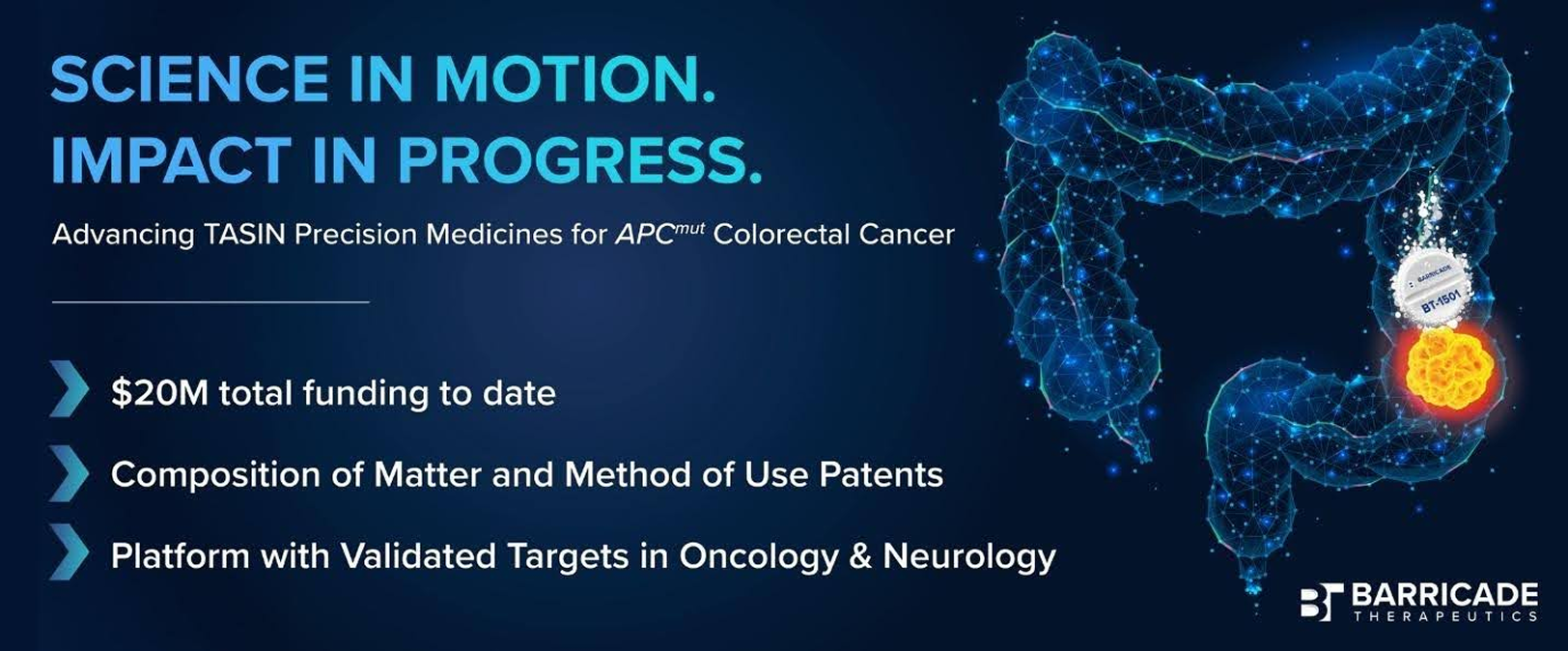
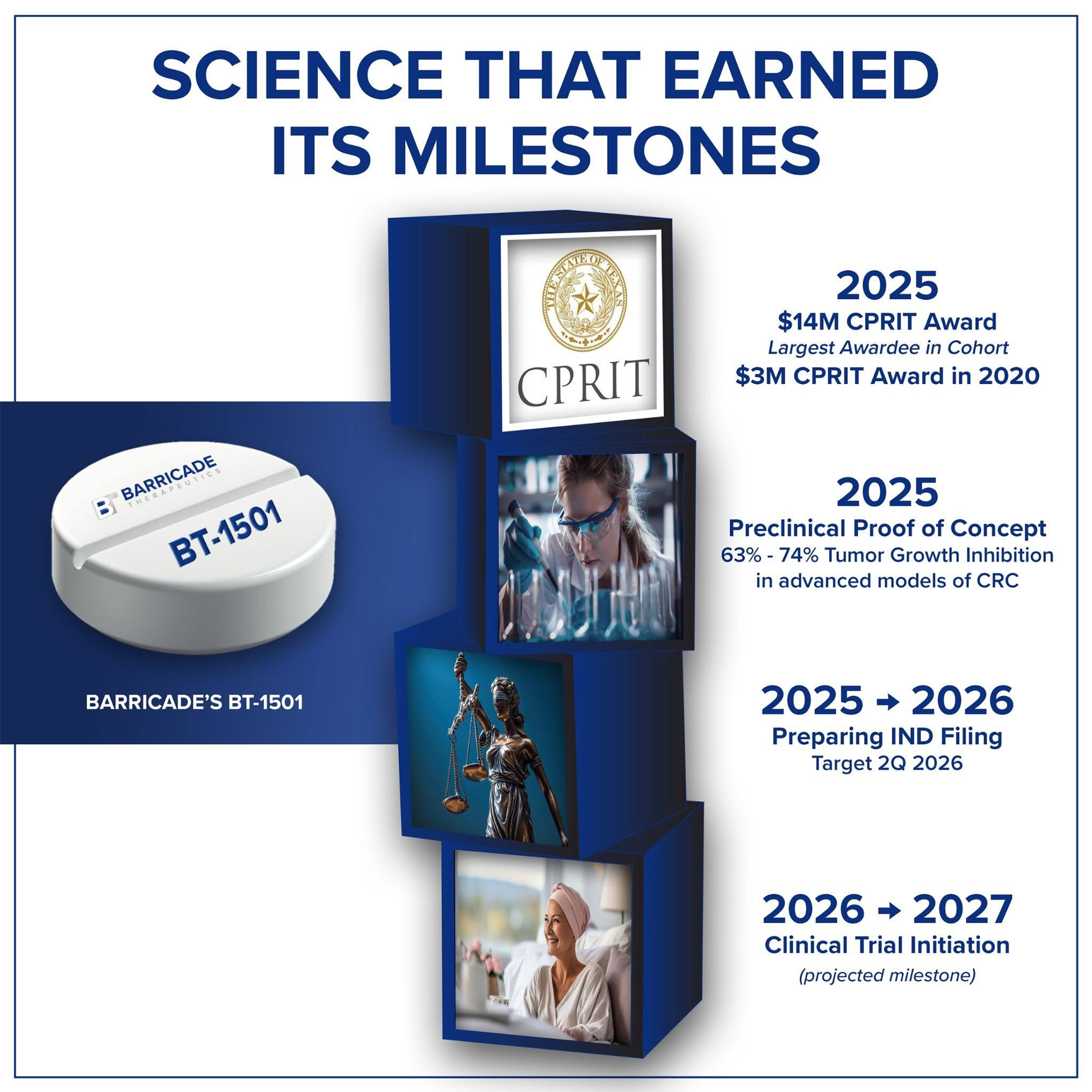
Barricade is developing BT-1501, a pill designed to treat colorectal cancer caused by mutation to the APC gene, found in about 80% of colorectal cancer patients. The company has secured over $20 million to date, including $17 million in non-dilutive grant funding from the Cancer Prevention & Research Institute of Texas (CPRIT), plus backing from the American Cancer Society. Barricade is preparing to begin its first human clinical trial, with a planned start in 1H 2027.
Invest NowThis Reg CF offering is made available through StartEngine Primary, LLC, a member of FINRA/SIPC. This investment is speculative, illiquid, and involves a high degree of risk, including the possible loss of your entire investment.
OUR MISSION
Restoring hope for the majority of colorectal cancer patients with APC-mutant colorectal cancer not responding to existing treatments.
*CPRIT funding is awarded in tranches, is subject to ongoing program milestones, and requires the Company to provide matching capital, and there can be no assurance that all committed amounts will be received.
$XXX,XXX.XX RAISED SO FAR
~80%
of CRC patients carry the APC mutation
$17M
non-dilutive CPRIT funding awarded
$20M+
total financing to date
2026
planned Phase 1 trial start
2039
IP protection through
REASONS TO INVEST
A first-in-class approach to the largest underserved subgroup in colorectal cancer.
A huge group of patients has no targeted treatment, and Barricade is trying to be first. About 80% of colorectal cancer patients have a mutation to the APC gene. Right now, there is no FDA-approved treatment that specifically targets this APC mutation. Barricade's lead drug candidate, BT-1501, is a once-daily pill designed to fill that gap. It's ready for human testing (IND-ready), with a planned Phase 1 clinical trial start in 1H2027, subject to regulatory clearance and funding.
In advanced colorectal cancer animal models, BT-1501 reduced tumor growth by 63–74%.* That's better than first- and second-line standard chemotherapy drugs already used in patients today: 5-FU (37% reduction) and cetuximab (50% reduction).
*Preclinical results in animals don't guarantee the same results in humans.
Independent, credible organizations are already backing this science. Barricade has secured more than $20 million to date, including $17 million in non-dilutive grant funding from the Cancer Prevention & Research Institute of Texas (CPRIT), a state cancer research agency, plus support from the American Cancer Society's BrightEdge Fund.
Led by an experienced biopharmaceutical management team. Barricade is led by a management team with more than 150 years of combined biopharmaceutical development experience with multiple FDA submissions.
Join Our Community & Learn More About Our Solution, BT-1501
Thank you! Your submission has been received!
Oops! Something went wrong while submitting the form.
By clicking “Learn More”, you consent to receive marketing communications including text messages and emails (e.g., promotions, cart reminders, funding updates) from StartEngine Crowdfunding, Inc. using the contact information you provide. You understand and agree that messages may be sent using an autodialer or automated systems. Consent is not a condition of purchase. Message and data rates may apply; message frequency varies. You may unsubscribe from email communications at any time by clicking the unsubscribe link in the email, and from text messages by replying STOP. For more information, see our Privacy Policy&Terms.
THE PITCH
Exploiting a specific vulnerability in colorectal cancer
Barricade Therapeutics is developing BT-1501, an oral investigational therapy designed to exploit a specific vulnerability in colorectal cancer: APC mutation/truncation (APCmut) — present in ~80% of CRC patients. These patients make up a large subset that often do not respond to current therapies.
With $17 million in non-dilutive funding awarded from the Cancer Prevention and Research Institute of Texas (CPRIT) and further supported via investment from the American Cancer Society BrightEdge Fund, the company is positioned to advance one of the field’s most promising targeted approaches for CRC, including rare genetic conditions such as Familial Adenomatous Polyposis (FAP).
In its planned Phase 1 clinical trial, Barricade will evaluate BT-1501 in patients with advanced metastatic APCmut CRC who have received 1st and 2nd lines of standard-of-care chemotherapies.
THE PROBLEM
Colorectal Cancer is a Rising Health Concern*
As of 2024 in the U.S.** there were 152,810 new cases of CRC and 53,010 deaths. Globally, in 2024, there were 1.9 million new cases of CRC with 935,000 deaths.
20%of U.S. CRC patients present with Stage IV metastatic colorectal cancer
8%of metastatic CRC patients survive 5 years
Rising Global Burden
CRC cases are expected to exceed 2.2 million globally by 2030, driven by population aging, diet, environmental exposures, disparities in screening, and changing microbiome profiles.
By 2040, the number of CRC cases is expected to increase to 206,000 new cases in the U.S. and 3,200,000 new cases globally. The number of deaths associated with these cases in the U.S. and globally is estimated to increase to 80,000 and 1,600,000; respectively.
CRC is rapidly increasing in adults under 50 years of age. By 2030, early-onset CRC is forecasted to represent 15% of all CRC cases.
15%of all CRC cases forecasted to be early-onset by 2030
CRC CLASSIFICATIONS
CRC Classifications & Barricade's Target CRC Patient Population
~85% of CRC
1. MSS / CIN Pathway
The majority of CRC cases arise from microsatellite-stable (MSS), chromosomal-instability (CIN) tumors. Current treatments rely on chemotherapy ± targeted agents (e.g., 5-fluorouracil, oxaliplatin, irinotecan ± Avastin or Erbitux). Many patients ultimately progress after first- and second-line therapy.
~15% of CRC
2. MSI-H / dMMR
Approximately 15% of CRC cases arise from Microsatellite Instability with DNA mismatch repair CRC (MSI-H / dMMR) and these patients are candidates for Checkpoint inhibitor drugs (e.g., PD-1, PD-L1 inhibitors) that show benefit in this subgroup. Checkpoint inhibitor drugs are not effective in MSS / CIN CRC cases.
THE TARGET
APCmut Colorectal Cancer is Present in ~80% of Patients
The normal Adenomatous Polyposis Coli (APC) gene is a tumor suppressor and maintains a healthy colon; whereas the mutated APC gene (APCmut) occurs early in cancer development and drives downstream genetic changes (e.g., KRAS, TP53, SMAD4, PIK3CA, BRAF) resulting in colorectal cancer and spread (metastasis) of CRC in patients. This makes APCmut a strategic and broad therapeutic target.
OUR SOLUTION
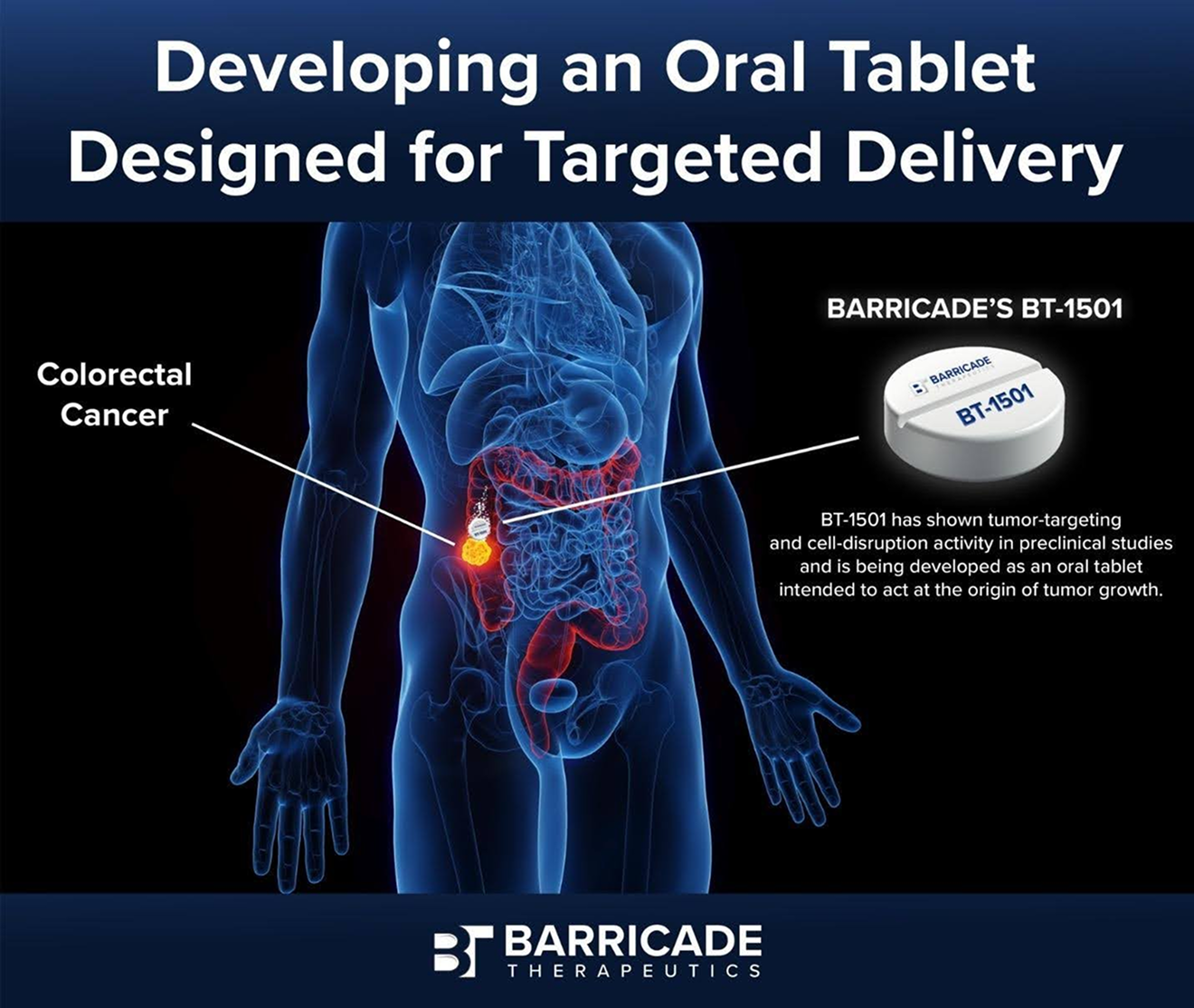
BT-1501 – An Oral, Once-Daily Investigational Therapy
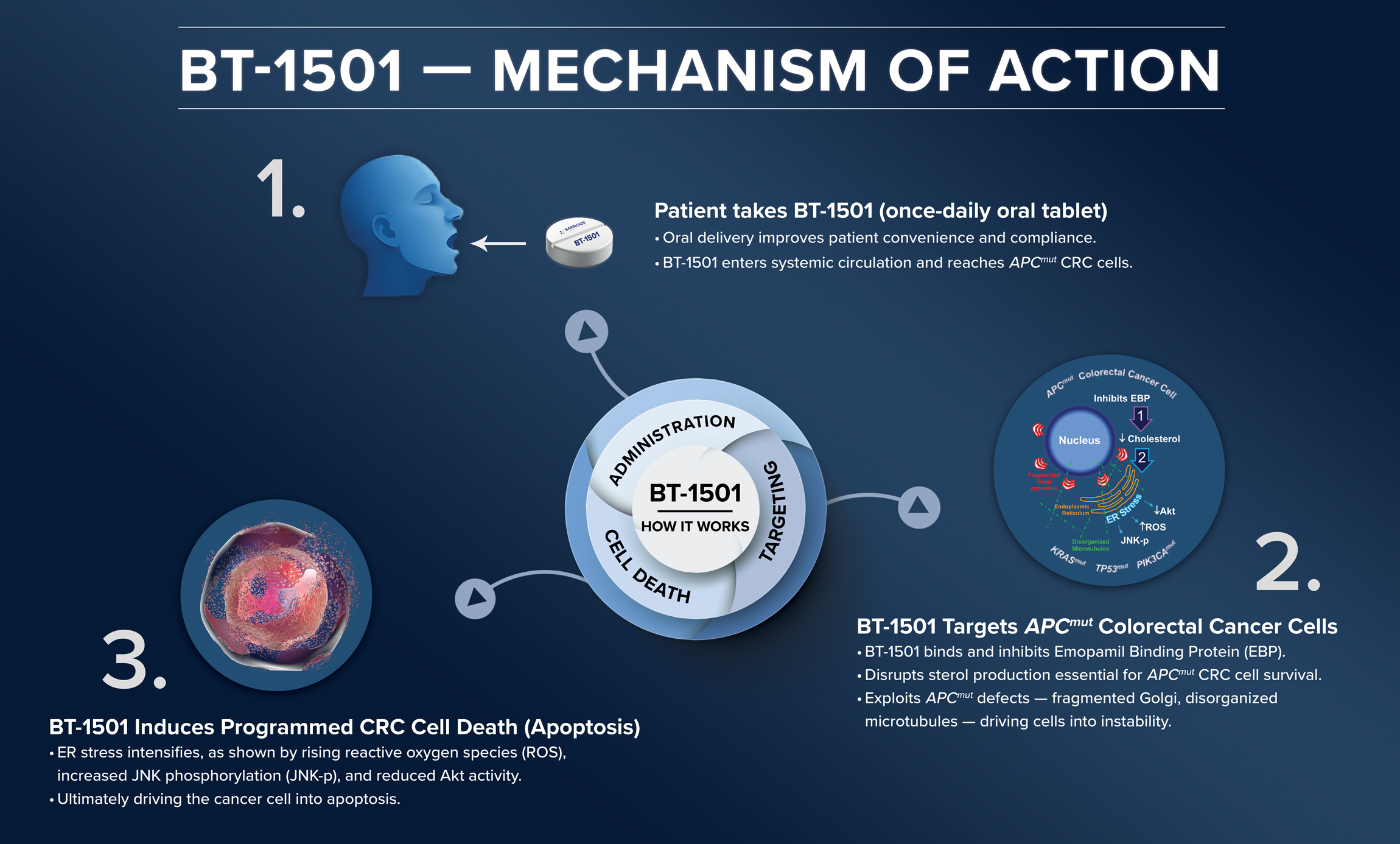
BT-1501 targets tumor cells with APC mutations by inhibiting Empomamil Binding Protein (EBP).
APCmut tumor cells exhibit unique vulnerabilities; in preclinical models, TASIN compounds selectively killed advanced APCmut cells which also harbor TP53, PIK3CA, KRAS or BRAF mutations through a synthetic-lethal mechanism.
PRECLINICAL EVIDENCE
63–74%
Tumor Growth Inhibition (TGI) in advanced CRC animal models
In mouse models of advanced colorectal cancer carrying key mutations seen in patients (APC, KRAS, TP53, PIK3CA, BRAF), Barricade's TASIN compounds reduced tumor growth by 63%–74%. This was equal to or better than currently approved chemotherapy such as 5-FU/fluorouracil (37% tumor growth reduction) and cetuximab (50% tumor growth reduction).
Genetically Engineered Mouse Models Expressing the APC mutation (CPC;Apc)
In CPC;Apc mice, a genetic mouse model, whose genetics are about 80% similar to human colorectal cancer, BT-1501 reduced tumor growth by 40%–60% compared with mice that didn’t receive treatment.
(Preclinical results do not guarantee clinical outcomes.)
HOW BT-1501 WORKS
BT-1501 Targets CRC Cell's Vulnerability Resulting in Synthetic Lethality (Death of the CRC Cell)
Preclinical data show that TASINdrugs, including BT-1501, selectively kill APCmut cancer cells by inhibiting Emopamil Binding Protein (EBP). Because of their dysfunctional cellular architecture, these colorectal cancer cells cannot mount an effective compensatory response. As a result, BT-1501-mediated EBP inhibition induces cellular stress that ultimately triggers apoptosis, or programmed cell death.
*These findings are based on preclinical laboratory and animal studies. BT-1501 is an investigational drug candidate and has not been evaluated for safety or effectiveness in humans, and there can be no assurance that these results will translate into clinical benefit.
MARKET OPPORTUNITY IN CRC
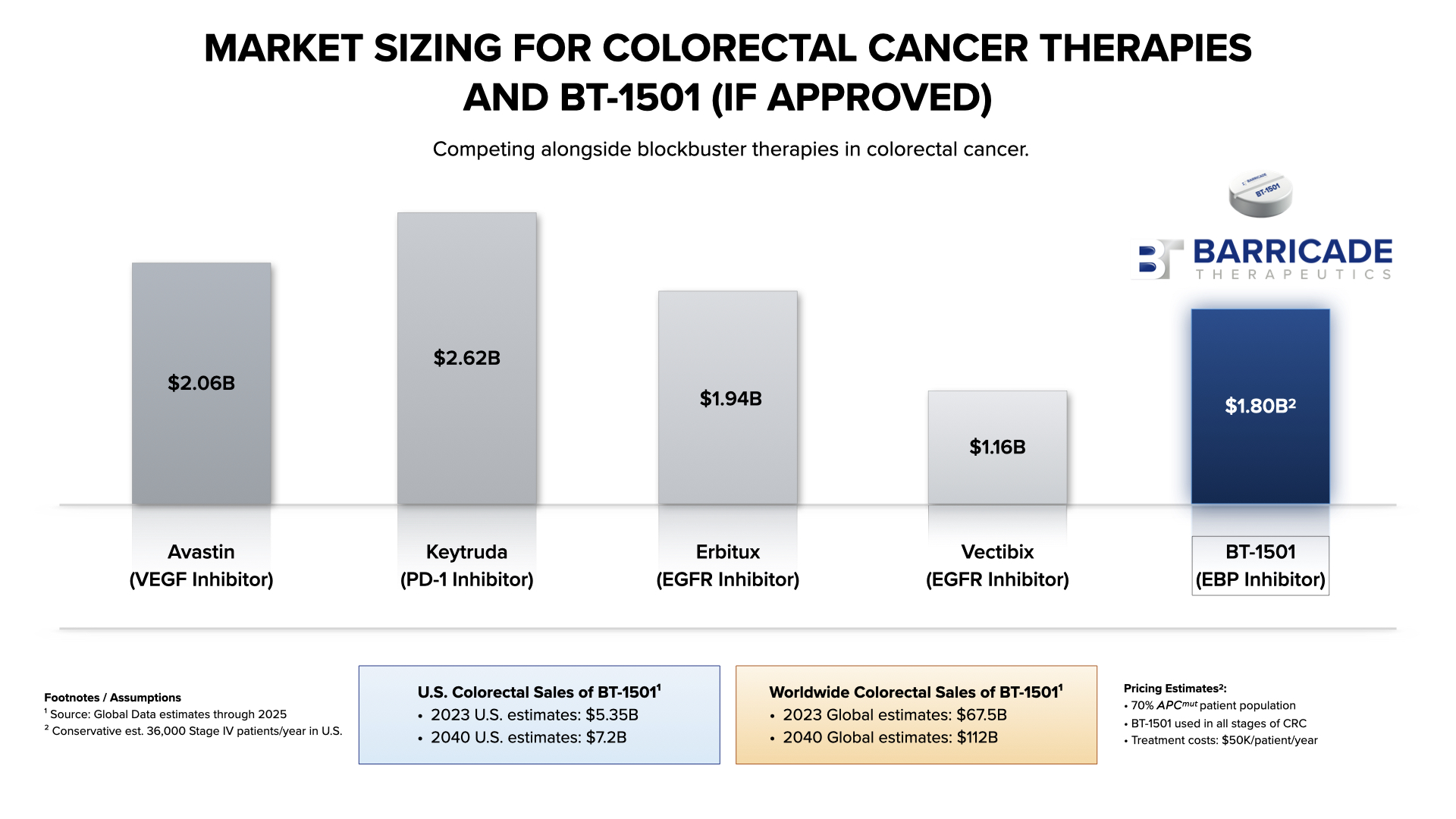
Illustrative Market Context in the United States
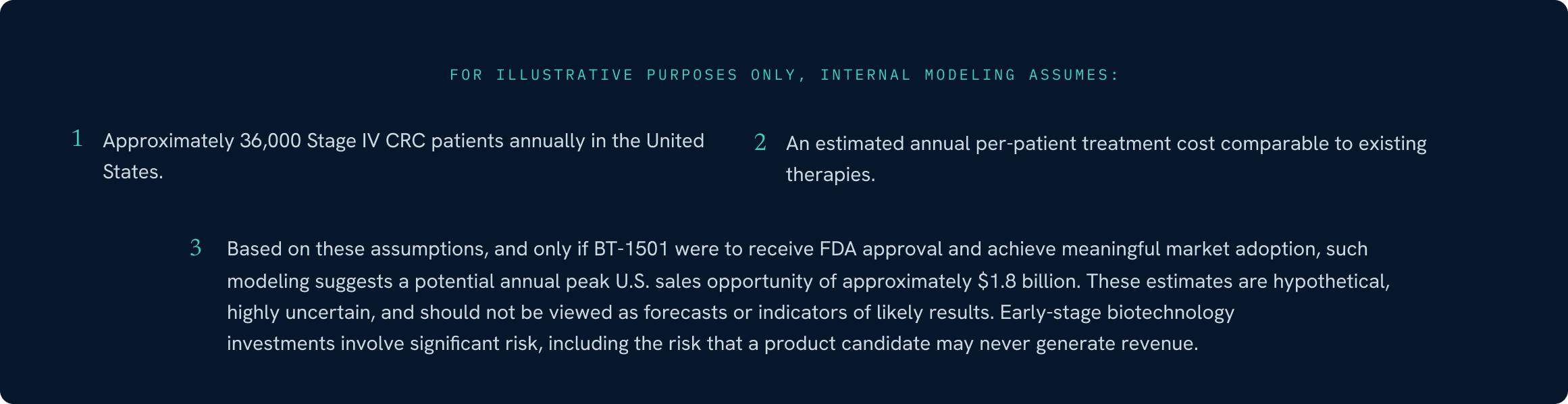
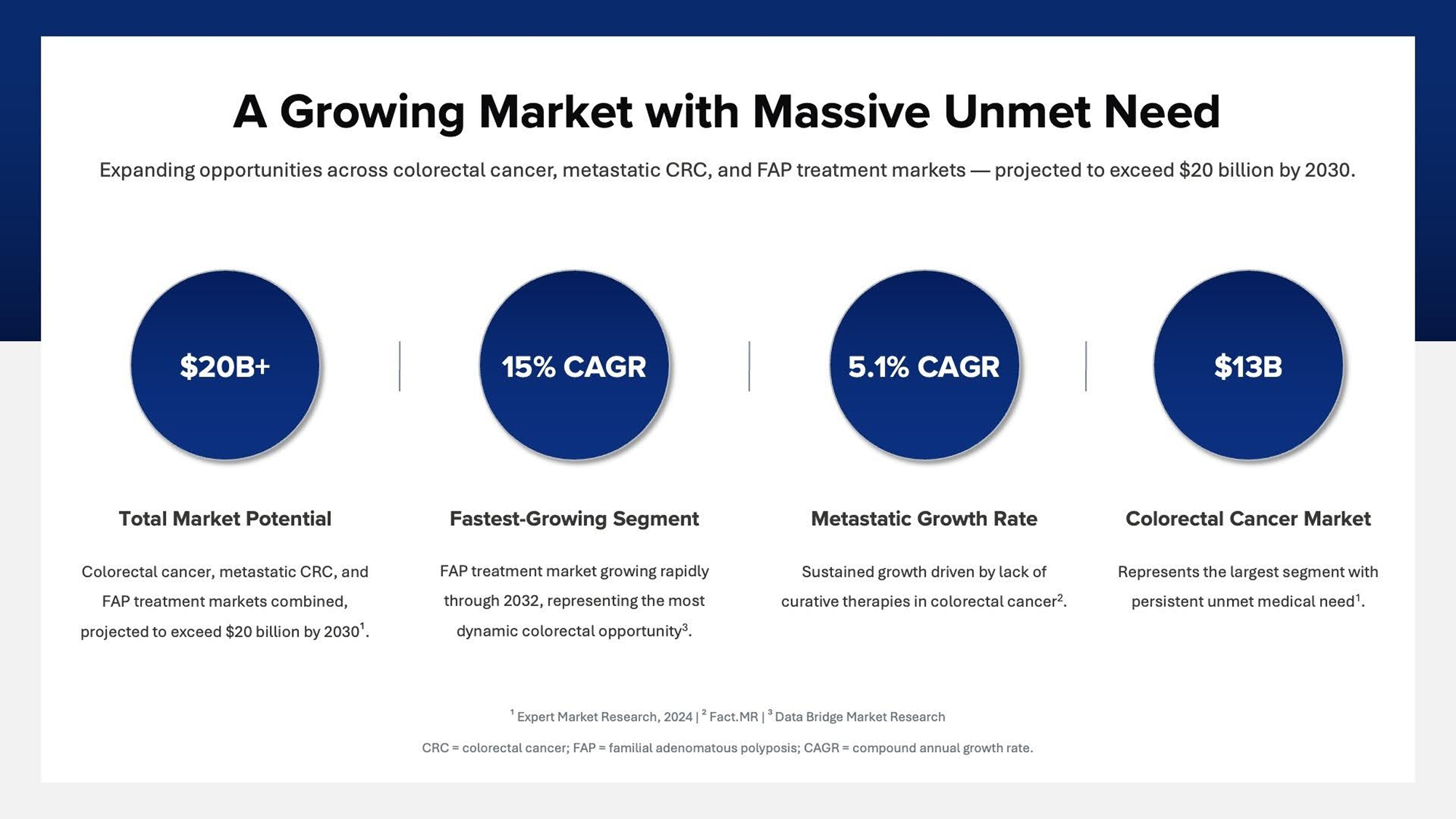
BT-1501 is being developed to target APC-mutant colorectal cancer, which represents a substantial portion of the CRC patient population. Any potential commercial opportunity for BT-1501 would depend on a number of factors, including successful completion of clinical trials, FDA approval, physician adoption, reimbursement, competitive dynamics, and pricing.
BT-1501 is an investigational drug candidate and has not been approved by the FDA. The figures shown are illustrative estimates based on third-party market data and internal assumptions and do not represent actual or projected sales. There can be no assurance that BT-1501 will be successfully developed, approved, or commercialized, or that it will achieve any level of market adoption or revenue.
COMPETITION & DIFFERENTIATION
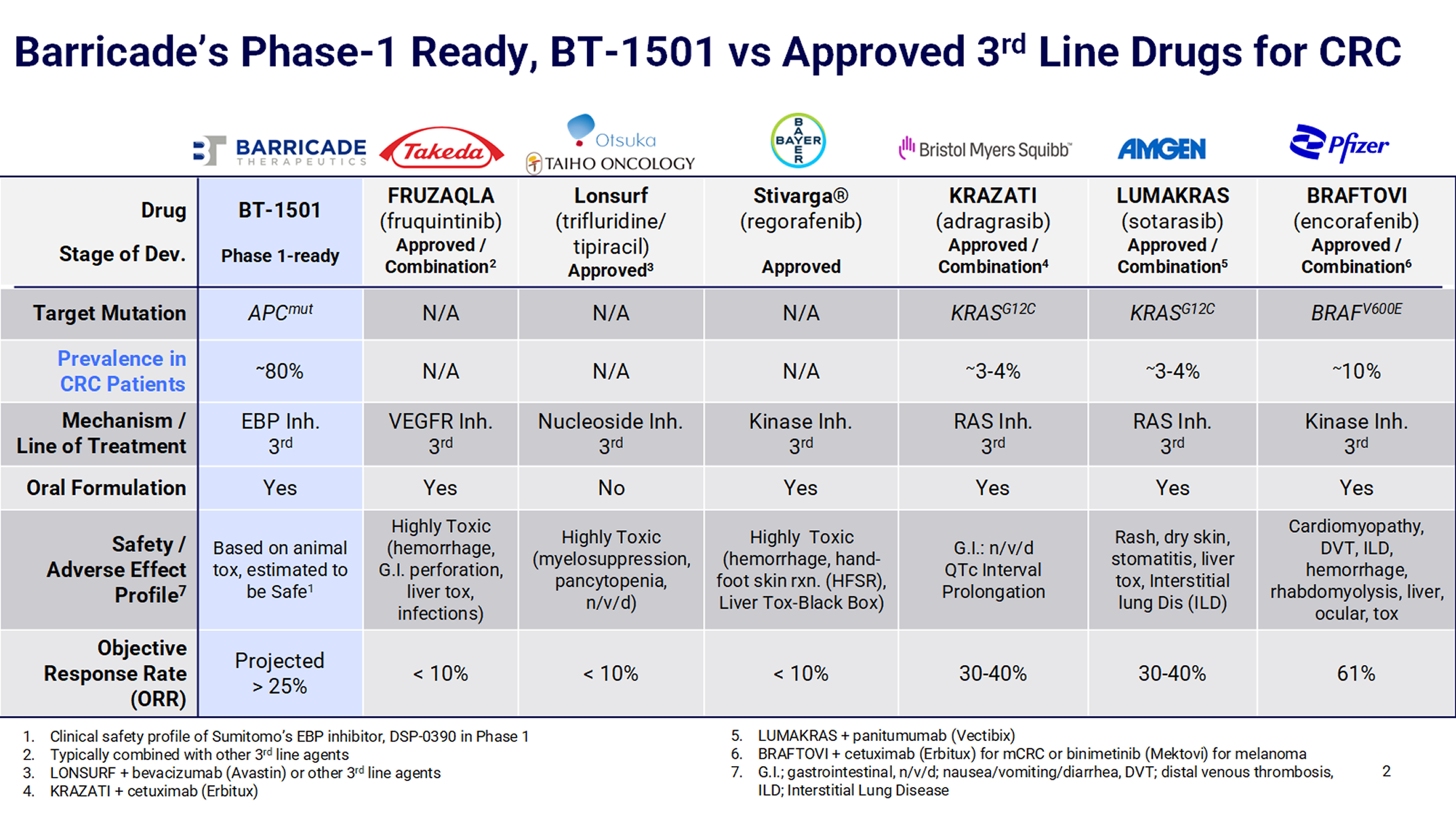
Barricade’s BT-1501 direct competition is third-line CRC therapies which currently generate revenue of ~$2 billion annually
~$2B
Barricade's BT-1501 direct competition is third-line CRC therapies which currently generate revenue of ~$2 billion annually.
<5%
KRASG12C inhibitors (targeting less than 5% of CRC patients positive for KRASG12C) generated ~$400 million in 2024, with projections approaching ~$2 billion by 2030.
Disclaimer: This comparison is for general informational purposes only and is based on publicly available data. It does not imply that our program will achieve similar results, reach the same development stages, or receive FDA approval. Our program is in early development and subject to significant scientific, regulatory, and clinical risks.
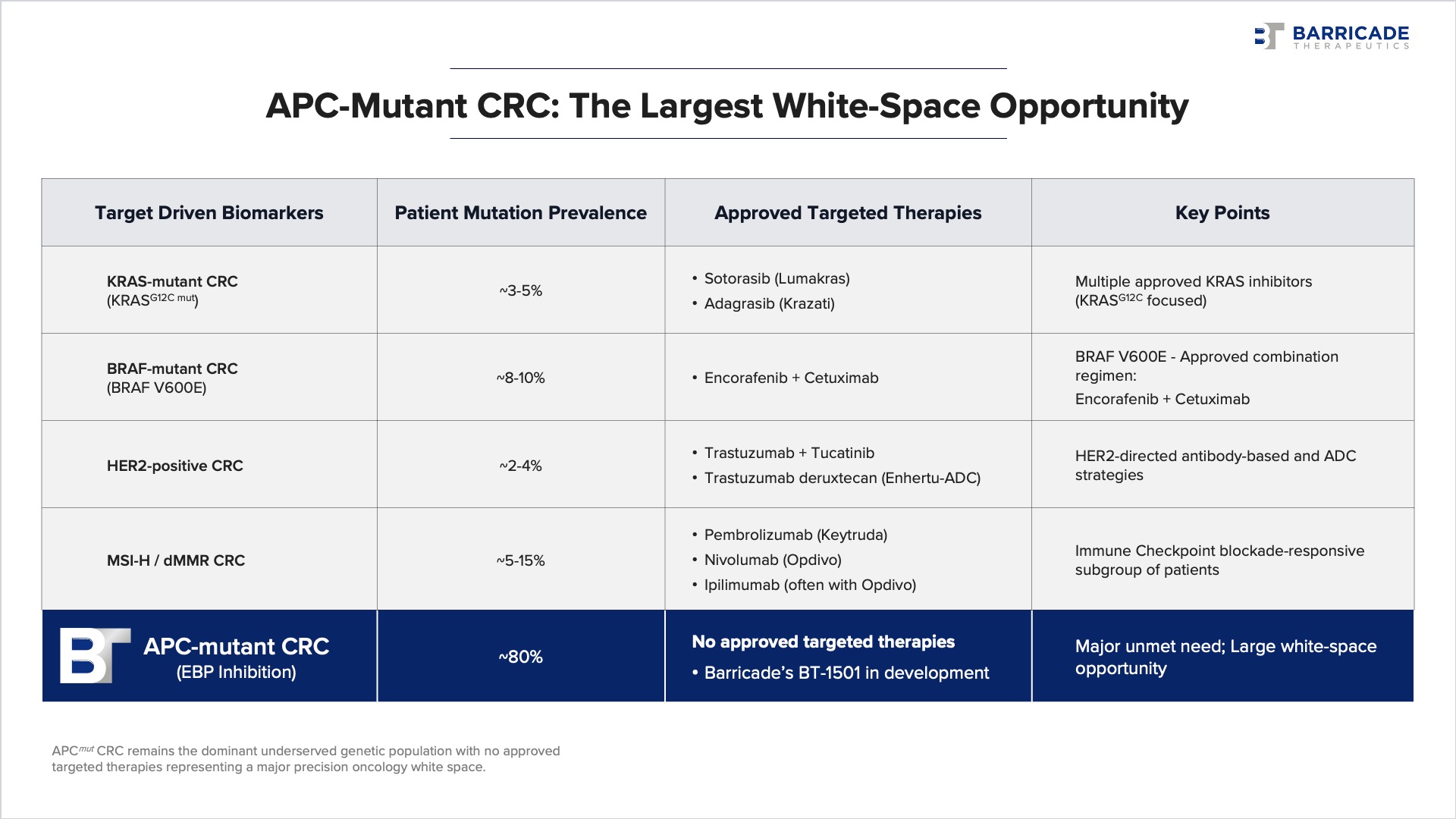
The graphic below summarizes the prevalence of the most common molecularly defined CRC subtypes alongside available approved targeted therapies, underscoring APC-mutant CRC as the largest genetically defined patient population lacking an approved targeted treatment.
Mutation prevalence estimates are based on published genomic analyses of colorectal cancer patient populations and may vary by study and disease stage. Approved targeted therapies are based on current FDA-approved indications as of 2026. APC-mutations are present in approximately 70–80% of colorectal cancers and currently have no FDA-approved targeted therapies.
We believe BT-1501 addresses a much larger population (APCmut ~80%) and for example of a combination treatment, patients that present with APCmut + KRAS/KRASG12C mutations, there is the potential for a combination strategy to target these advanced cancers from more than one angle for improved patient outcomes.
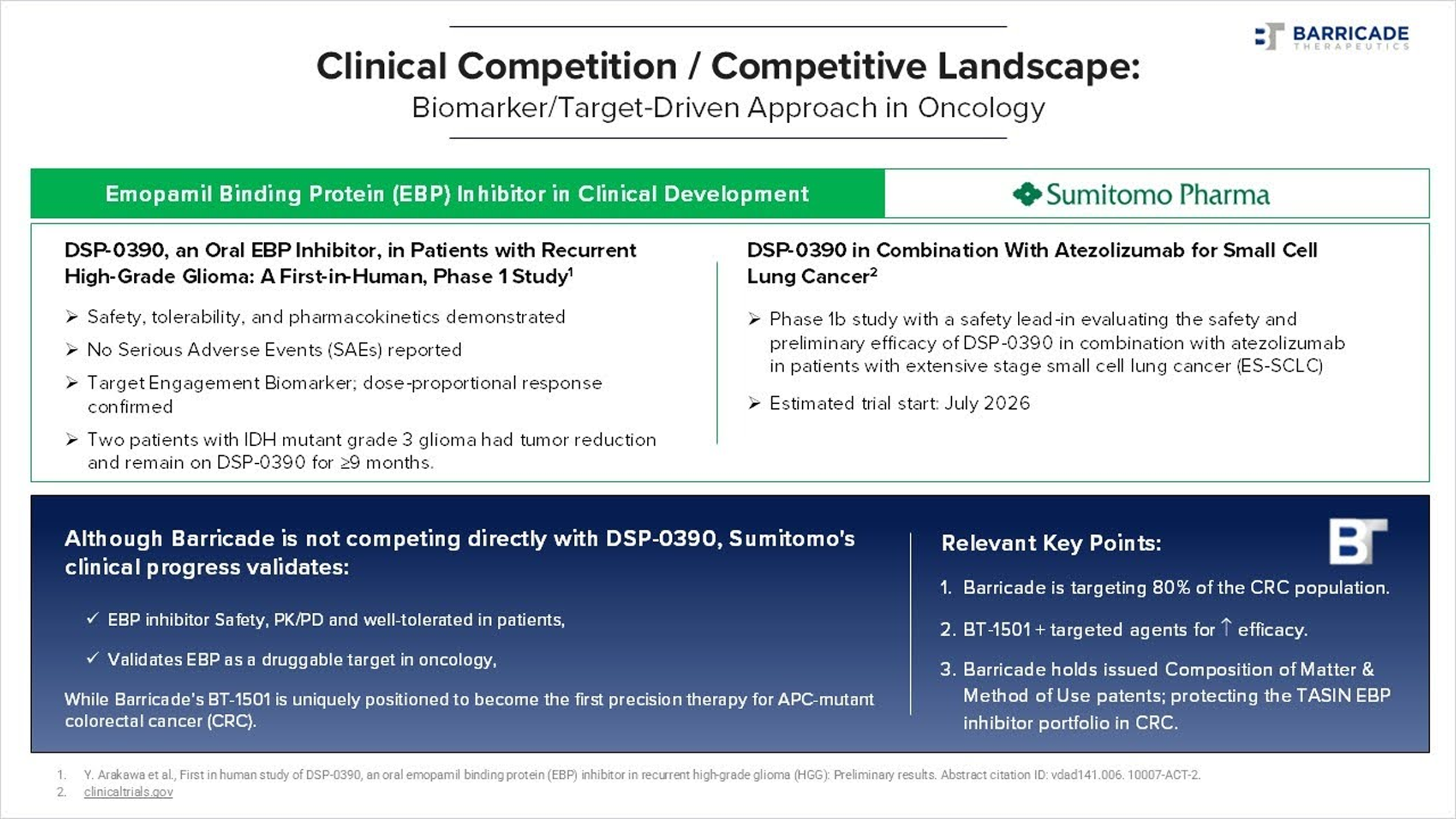
Additional validation of Barricade's approach is supported by the clinical progress of Sumitomo Pharma's DSP-0390, an oral EBP inhibitor that has demonstrated favorable safety, PK/PD, target engagement, and early signs of clinical activity in patients with high-grade glioma (brain cancer). While not a direct competitor, DSP-0390 provides independent validation that EBP is a safe and druggable oncology target, helping to de-risk Barricade's development strategy. Barricade's BT-1501 remains uniquely focused on APC-mutant colorectal cancer, a genetically defined population representing approximately 80% of CRC patients with no approved targeted therapies.
While not a direct competitor, DSP-0390 provides independent validation that EBP is a safe and druggable oncology target, helping to de-risk Barricade's development strategy. Barricade's BT-1501 remains uniquely focused on APC-mutant colorectal cancer, a genetically defined population representing approximately 80% of CRC patients with no approved targeted therapies.
KEY TAKEAWAY
External clinical validation of EBP strengthens confidence in Barricade’s platform, while BT-1501’s application is potentially broader than its target therapy for APC-mutant CRC — the largest underserved genetic subgroup in colorectal cancer.
CRC MARKET STRATEGY & TASIN PLATFORM EXPANSION
Initial Indication
Stage IV APCmut CRC in patients who have progressed after 1st and 2nd lines of standard of care chemotherapies.
Potential Advantages
1Once-daily oral dosing
2Potential for combination therapy
3Longer term: movement into earlier stages of CRC, combination with chemotherapy or targeted agents such as KRAS inhibitors.
Platform Expansion
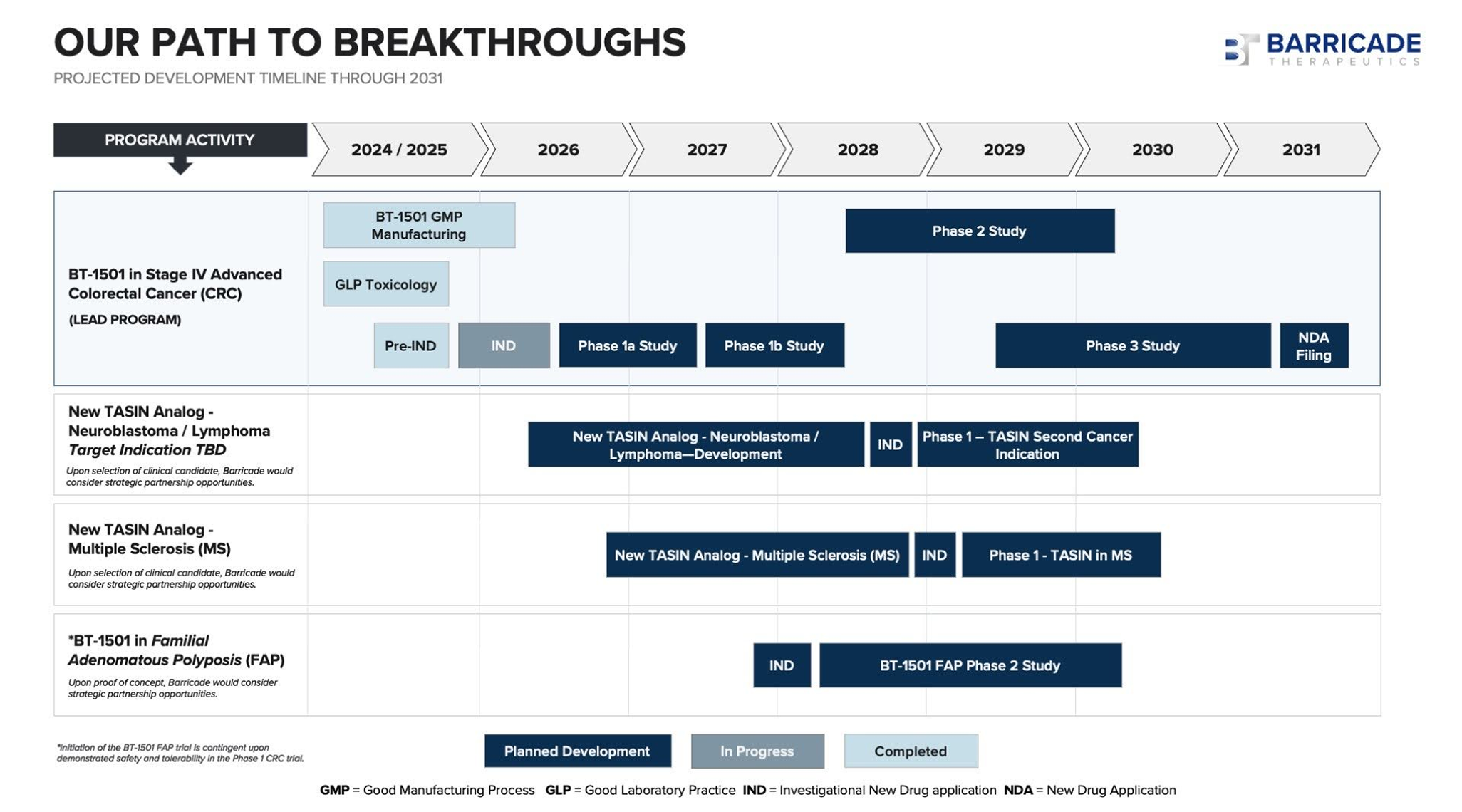
Platform Expansion will encompass the development of additional TASIN assets in Oncology, specifically targeting neuroblastoma and hepatocellular carcinoma. Barricade also plans to position BT-1501 in a prevention Phase 2 study in patients diagnosed with Familial Adenomatous Polyposis Coli (FAP), a genetic/hereditary condition where people are born with mutations to the APC gene and have a 100% chance of developing CRC later in life.
In Neurology, Barricade’s TASIN drugs have also shown preclinically to have a biologic effect in models of neurodegenerative disease such as multiple sclerosis.
Future Strategies
The Company is in the early stages of research and development and has not yet filed an Investigational New Drug (IND) application with the FDA. The Company has completed animal testing, however there is no assurance that it will progress to clinical trials or achieve any regulatory milestones.
Any discussion of potential “exit opportunities” (such as acquisition, licensing arrangements, or an IPO) should be considered highly speculative. These types of transactions in the biopharmaceutical industry generally occur only after a drug candidate has achieved significant clinical validation, typically in Phase 2 or later. The Company has not reached those stages, and there are no current plans, discussions, or negotiations related to any such exit.
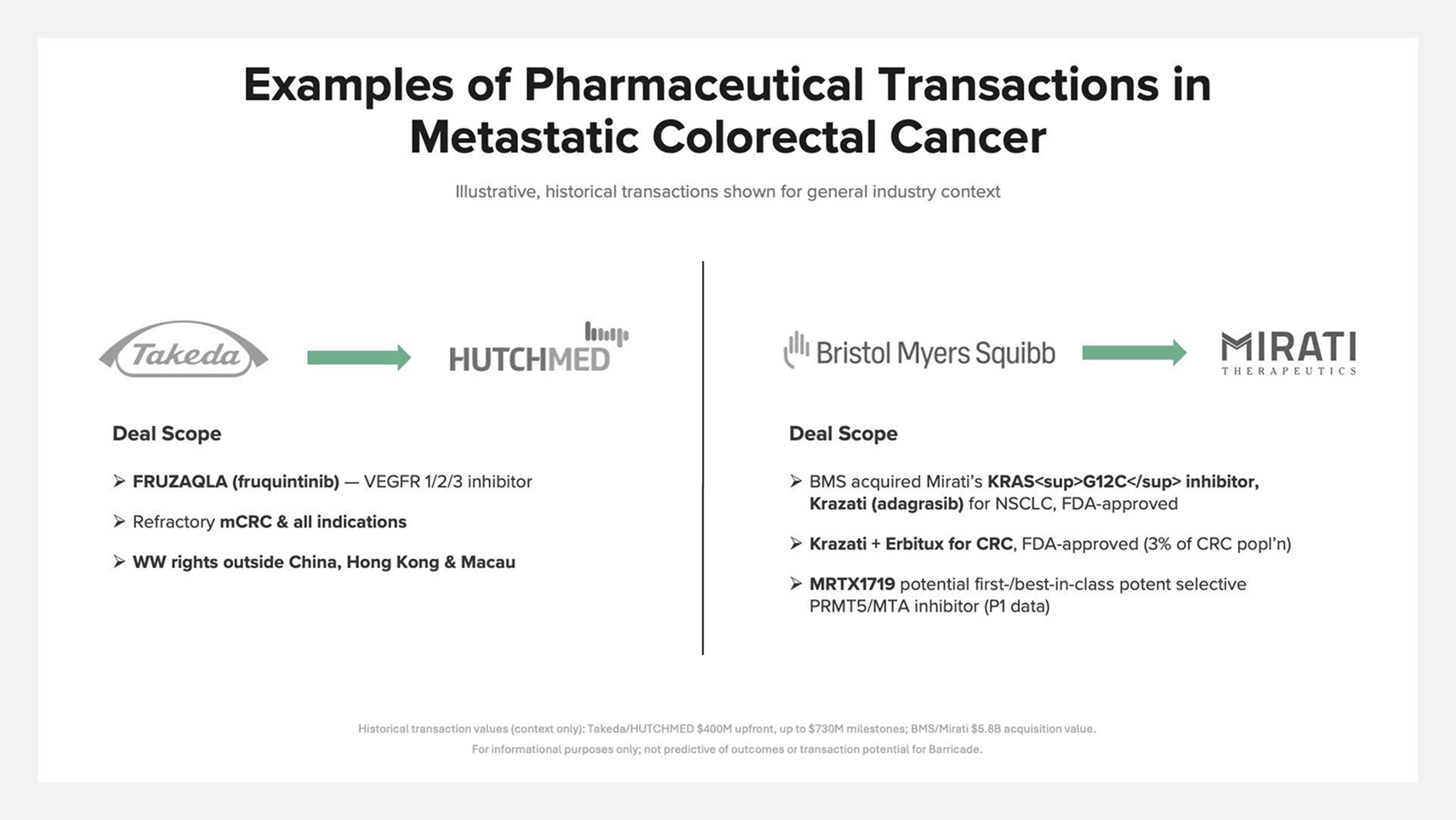
From time to time, larger pharmaceutical companies acquire or license late-stage oncology assets that have demonstrated meaningful clinical results. For example, Takeda licensed Fruzaqla® and Bristol Myers Squibb acquired Mirati Therapeutics. These transactions are historical examples only and do not imply that our program will follow a similar path or achieve similar results.
Investors should not assume that any acquisition, partnership, licensing deal, IPO, or other liquidity event will ever occur.
The transactions referenced above involve late-stage or FDA-approved drug candidates with established clinical data and commercial traction. These examples are provided solely for general industry context and do not reflect the stage, risk profile, or prospects of Barricade Therapeutics or its investigational product candidates. There can be no assurance that Barricade will achieve similar outcomes, enter into comparable transactions, or generate any acquisition or partnership interest. These transactions illustrate the strong interest from major pharmaceutical companies in later-line CRC assets.
WHY INVEST
Eight reasons Barricade stands out
01
Large, validated market with major unmet need in Colorectal Cancer (CRC)
02
Exclusive license to TASIN/EBP inhibitor platform → IP protection through 2039
03
Encouraging preclinical data with consistent TGI in multiple advanced CRC models
04
IND-ready program, with anticipated IND submission & Phase 1 trial start in Q2 2026 and 2H 2026; respectively.
05
Expansion potential into additional oncology and neurology indications
06
Experienced leadership & advisors: 150+ years combined drug development experience, multiple INDs, FDA submissions, major exits
07
Capital-efficient model, bolstered by $17M CPRIT non-dilutive funding & American Cancer Society | BrightEdge Fund investments
08
First-mover advantage targeting APCmut CRC
*The statements above include forward-looking statements based on current expectations, assumptions, and preclinical data. BT-1501 and TASIN compounds are investigational drug candidates that have not been approved by the FDA. Market opportunity, development timelines, regulatory outcomes, and potential expansion into additional indications are subject to significant scientific, regulatory, and financial uncertainty, and there can be no assurance that any of these objectives will be achieved.
INTELLECTUAL PROPERTY
Global rights, protected through 2039
IP PROTECTION THROUGH 2039 + EXTENSIONS
Barricade holds global rights for its TASIN (Truncated APC Selective Inhibitors) / EBP inhibitor compound portfolio under an exclusive license covering issued Composition of Matter and Method of Use patents which are nationalized in key global markets. IP is protected through 2039 which also includes extension opportunities. This IP estate provides broad protections for applications of the TASIN platform including BT-1501 in CRC.
TRACTION TO DATE
Funded, IND-ready, and guided by the FDA
$20M+
total financing to date, incl. $17M non-dilutive CPRIT funding & American Cancer Society BrightEdge Fund support
Q2 ’26
anticipated IND submission, with a Phase 1 trial targeted for 2H 2026
Pre-IND
constructive guidance received from the U.S. FDA; GLP toxicology & CMC complete
The Company has secured $17 million in non-dilutive funding awarded from the Cancer Prevention & Research Institute of Texas (CPRIT), supplemented by support from the American Cancer Society's BrightEdge Fund, bringing total financing to more than $20 million to date. CPRIT funding is awarded in tranches, is subject to ongoing program milestones, and requires the Company to provide matching capital, and there can be no assurance that all committed amounts will be received. Please review our offering materials for more details on this funding.
The team has completed GLP toxicology studies and CMC manufacturing activities in preparation for an upcoming IND submission and has received constructive Pre-IND guidance from the U.S. FDA. The Company has advanced BT-1501 as its lead clinical candidate for the potential treatment of advanced APC-mutant (APCmut) colorectal cancer.
Under the current development plan, the company anticipates submitting an IND in the second quarter of 2026, with the goal of initiating a Phase 1 clinical trial in the second half of 2026, subject to receipt of required funding and regulatory clearance.
The company is also expanding its Scientific Advisory Board, which now includes leading gastrointestinal oncologists and cancer researchers affiliated with the Translational Genomics Research Institute (TGen) and The University of Texas Southwestern (UTSW) Medical Center. The Company will require additional financing to advance BT-1501 through clinical development.
THE TEAM
More than 150 years of combined biopharmaceutical experience
Neil Thapar, PharmD, RPh
CEO, CSO Board Chairman and Co-Founder
Dr. Thapar is a clinical pharmacologist with over 22 years of experience in oncology drug development. He completed a post-doctoral fellowship in oncology drug research & development at The University of Texas MD Anderson Cancer Center, focusing on translating scientific insights into innovative therapies. Prior to Barricade, Dr. Thapar worked on synthetic triterpenoid programs at Reata Pharmaceuticals as part of the company’s scientific and development teams during a period in which Reata completed an initial public offering and was later acquired by Biogen. His work is dedicated to advancing safer and more effective cancer treatments through evidence-based clinical pharmacology.
Dr. Walling is a co-founder and organic chemist with over 35 years of experience. He holds multiple patents and has a strong track record in commercialization, driving innovation from concept to market.
Mariam Morris
COO
Mariam E. Morris supports Barricade’s executive leadership as a strategic advisor on corporate operations, financial strategy, and governance as the company scales. With more than 25 years of executive and advisory experience, she provides guidance across financial planning, capital strategy, compliance and public-company readiness, and complex transactions, including financings and M&A. She works closely with management and the Board to strengthen operational infrastructure, ensure financial rigor, and guide the company through key growth and transformation milestones.
Scott Jordan
Fractional Chief Financial Officer
Scott Jordan is a strategic advisor and investment banker with extensive experience in capital raising and successful exits, including public listings. He has served as CFO and CBO of both public and private biotech companies. Mr. Jordan’s expertise also includes business development and managing complex cross-border transactions.
Darlene Boudreaux
Board Member
Darlene Boudreaux is the CFO and Founder/CEO of PharmaFab. Previously, she served as Executive Director at TechFW. Mrs. Boudreaux has been instrumental in multiple successful exits, including ZS Pharma and Encore Vision. Darlene currently serves on Barricade’s Board of Directors, providing strategic guidance on corporate matters.
Carlos Guillem
Board Member
Dr. Guillem is the President of Western Son Distillery and co-founder of CarGin Enterprises. He also serves on the boards of Barricade and Rebius Therapeutics.
Help restore hope for the majority of colorectal cancer patients.
Become an investor in Barricade Therapeutics as it advances BT-1501 toward first-in-human studies.